
Table of Contents
Introduction

The solar industry is growing faster than ever. From small residential rooftops to large industrial and commercial solar projects, more businesses and property owners are choosing clean and renewable energy. But the success of a solar project doesn’t depend only on panels and inverters. Planning the system effectively from the outset is crucial, and this is where solar design comes into play.
Solar projects that deliver consistent performance over many years are always built on smart planning and technical clarity. It’s not just about placing solar panels on a roof or open land. Professionals carefully study the layout, direction of sunlight, possible shading, and electrical setup before installation. To do this accurately, they rely on modern solar planning software, which helps them visualise and calculate everything in advance.
We’ll look at why proper solar system planning matters and which tools are commonly used by professionals to create efficient, reliable solar power plants.
Why Proper Solar Planning Is Crucial for Every Solar Power Plant
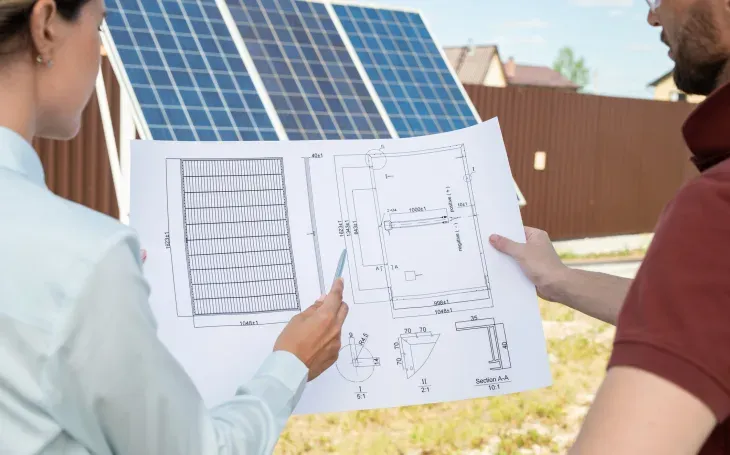
A solar power plant is a long-term investment. Once the structure is installed and the electrical work is done, making changes later can be costly and difficult. Poor planning may not show problems right away, but over time it can cause lower power generation, unnecessary shading losses, wrong equipment selection, and unrealistic performance expectations. All of this directly impacts system efficiency and the return on investment.
A well-planned solar design process removes this uncertainty. Engineers can evaluate the site, study the sun’s movement, identify nearby obstacles, and understand electrical requirements before installation starts. This kind of advance planning helps the system perform close to its expected output while also meeting safety and regulatory standards. In today’s competitive solar market, proper planning is no longer a choice; it’s a basic requirement.
What Is a Solar Design Tool?
A solar design tool is special software used to plan and simulate solar power systems before they are installed. It allows engineers and EPC teams to create a digital version of a rooftop or open land, place solar panels accurately, and estimate how much energy the system can produce using real weather and sunlight data.
Instead of guessing or using rough calculations, professionals rely on these tools to make clear, data-based decisions. Modern solar engineering software also helps in preparing easy-to-understand proposals for clients and reduces the chances of mistakes during installation and execution.
What a Reliable Solar Design Tool Should Include
A good tool is not just about technical calculations; it also needs to work well in real-life conditions. It should consider what actually exists on the site, not perfect or assumed scenarios. From practical industry experience, the most useful tools are those that help with site analysis, shading checks, energy generation estimates, and proper system setup.
A strong solar design approach helps designers understand how a system will perform throughout the year, in different seasons and weather conditions. Tools that offer clear simulations, easy-to-read reports, and the flexibility to handle small and large projects provide real, on-the-ground value.
Top 5 Solar Design Tools Used by Professionals
1. PVsyst
PVsyst is one of the most widely trusted software tools in the solar industry worldwide. It is commonly used for commercial, industrial, and large-scale solar projects where accuracy really matters. The software runs detailed simulations by considering real weather data, system losses, solar module performance, and inverter behaviour to produce realistic results.
What makes PVsyst stand out is its ability to create reliable, bankable energy reports. Because of this, investors and financial institutions often depend on PVsyst calculations before approving large solar projects. Although it takes some technical knowledge to use properly, when handled by experienced professionals, it delivers highly accurate and dependable outcomes.
2. HelioScope
HelioScope is a modern solar planning tool that combines fast working with strong technical features. It is widely used by EPC companies, especially for rooftop and commercial solar projects. The platform makes it easy to create system layouts quickly while still handling detailed electrical calculations and shading analysis in the background.
HelioScope allows teams to compare different system designs without doing complicated manual calculations. For solar businesses that are growing and handling multiple projects, it offers a good balance between accurate planning and saving time.
3. SketchUp with Solar Plugins
SketchUp is usually known as a 3D modelling tool, but when it is used with solar-related plugins, it becomes very helpful for planning solar layouts. It works especially well for complex rooftops where the building shape, nearby structures, or height differences affect where panels can be placed.
Even though SketchUp does not calculate energy generation by itself, it is extremely useful in the early design stage. It helps designers visually show how solar panels will be arranged and how shadows from nearby objects will fall on the system at different times of the year.
4. Aurora Solar
Aurora Solar is built to make solar project planning quick and easy, especially from a client’s point of view. It is widely used for residential and small commercial projects where fast execution and clear presentation matter. The platform offers automatic shading analysis, optimised system layouts, and clean, professional proposal reports.
Aurora Solar is particularly helpful for teams that manage both sales and design work. It allows accurate system planning while also helping clients clearly understand how the solar system will perform, using simple and easy-to-follow visuals.
5. AutoCAD for Electrical Drawings
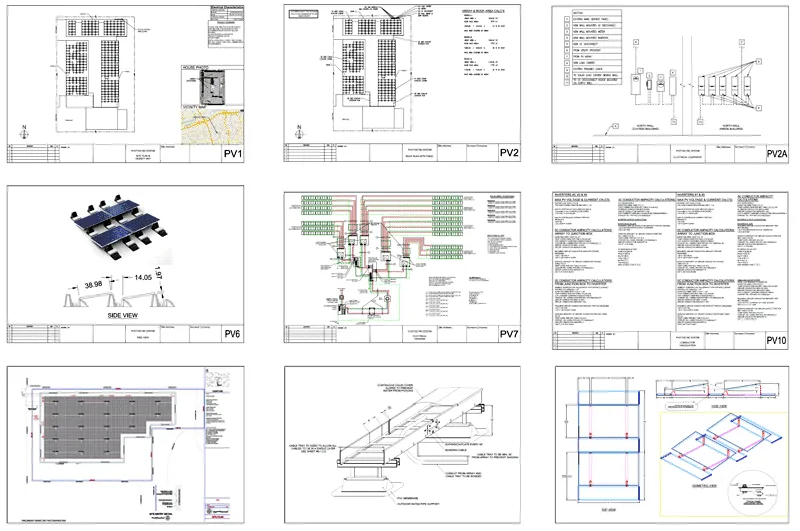
AutoCAD is still a very important tool for creating detailed electrical drawings in solar projects. Even though it does not calculate energy production, it is essential for showing wiring layouts, equipment positioning, and all the drawings needed for technical approvals.
In professional solar installations, AutoCAD helps turn design and simulation data into clear, accurate plans. These drawings make it easier for technicians to understand the layout and carry out installation work on site without mistakes or confusion.
How to Select the Right Tool for Your Solar Project
Choosing the right software depends on the size and complexity of the project. A small residential rooftop system does not need the same level of detailed simulation as a large utility-scale solar plant. Design teams should also think about their own technical skills, the type of reports required, and what the client expects before selecting any tool.
Many experienced solar professionals prefer using more than one platform instead of relying on a single tool. Visualisation software helps with layout planning and client communication, while simulation tools provide accurate performance estimates and build financial confidence.
Common Mistakes During Solar System Planning
One of the most common mistakes is depending completely on software results without properly checking the actual site conditions. Even the best tools can give wrong results if the input data is not accurate. Ignoring nearby shading, selecting the wrong tilt angle, or expecting higher energy generation than what the site can deliver often leads to poor system performance.
A strong solar design approach always balances software use with on-site understanding. Checking real conditions on the ground is just as important as running accurate simulations on a computer.
Can Software Replace On-Ground Experience?
Design tools are very beneficial but they can never replace real engineering judgement or on-site experience. Software makes planning easier and improves decision-making, but successful solar plants are always designed by professionals who understand both technical concepts and practical execution.
The best outcomes are achieved when advanced planning tools are used along with hands-on knowledge of site conditions and installation challenges. This combination ensures the system performs well not just on paper, but in real life too.
Final Thoughts
Design tools are very beneficial but they can never replace real engineering judgement or on-site experience. Software makes planning easier and improves decision-making, but successful solar plants are always designed by professionals who understand both technical concepts and practical execution.
The best outcomes are achieved when advanced planning tools are used along with hands-on knowledge of site conditions and installation challenges. This combination ensures the system performs well not just on paper, but in real life too.