
Table of Contents
Introduction
Have you ever wondered what the difference is between a solar panel and a solar plant? Maybe you’ve heard both terms and thought they meant the same thing. You’re not alone! Many people get confused about these two solar energy terms, but understanding the difference is actually quite simple once you break it down.
In this guide, I’ll explain everything you need to know about solar panels and solar plants in plain, easy-to-understand language. Whether you’re a homeowner thinking about going solar, a student learning about renewable energy, or just someone curious about how solar power works, this article will clear up all your confusion.
What is a Solar Panel?
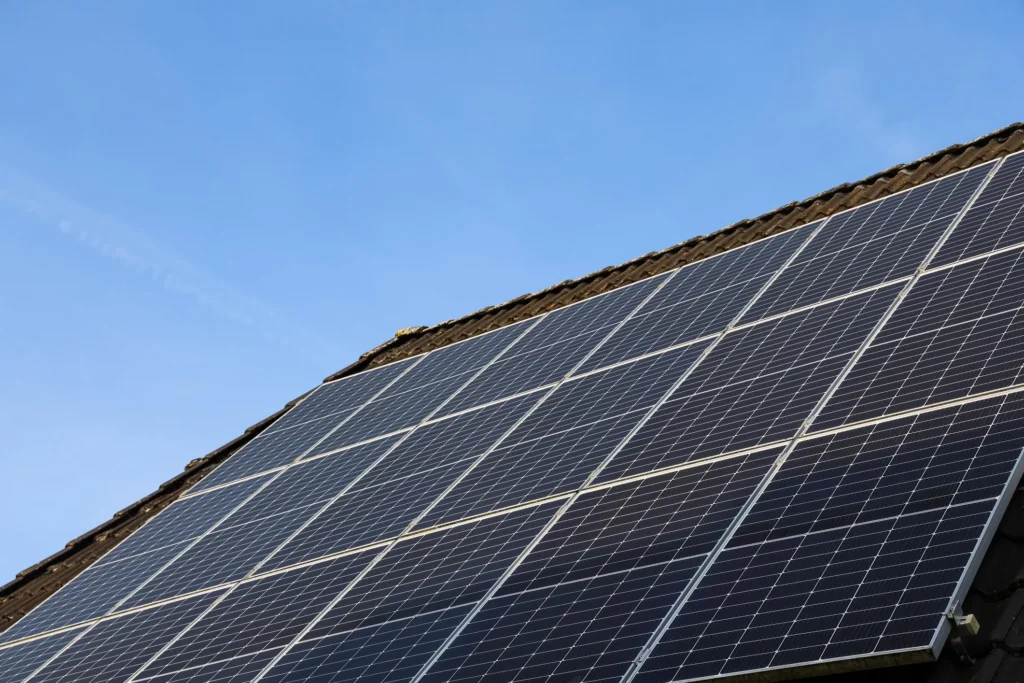
A solar panel is a single device that converts sunlight into electricity. Think of it as one individual unit that does one job: catching sunlight and turning it into power you can use.
Here’s how it works in the simplest way possible: When sunlight hits a solar panel, the special cells inside it get excited and start creating electricity. It’s like magic, but it’s actually science! The panel has many small solar cells made from silicon, and these cells work together to generate power.
To give you a better picture, imagine a solar panel as one brick. Just like one brick is a building block, one solar panel is the basic building block of solar energy systems. A typical solar panel is about 3 feet wide and 5 feet tall – roughly the size of a door.
Now, what can one solar panel power? One standard panel produces about 300 to 400 watts of electricity. That’s enough to run a few LED light bulbs, charge your phone, or power a laptop. But most homes need multiple panels working together to power everything from refrigerators to air conditioners.
You typically see solar panels installed on rooftops of homes, on top of small businesses, or even on RV campers. They’re designed for smaller-scale electricity production where individuals or single buildings need power.
What is a Solar Plant?
Now let’s talk about a solar plant, which is something completely different in scale and purpose.
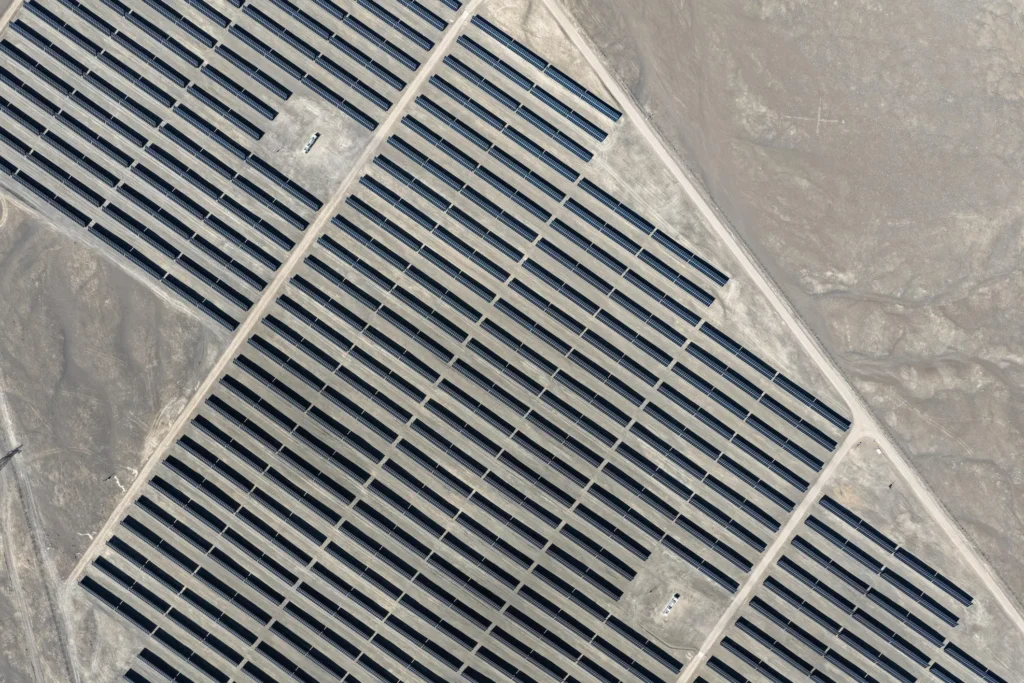
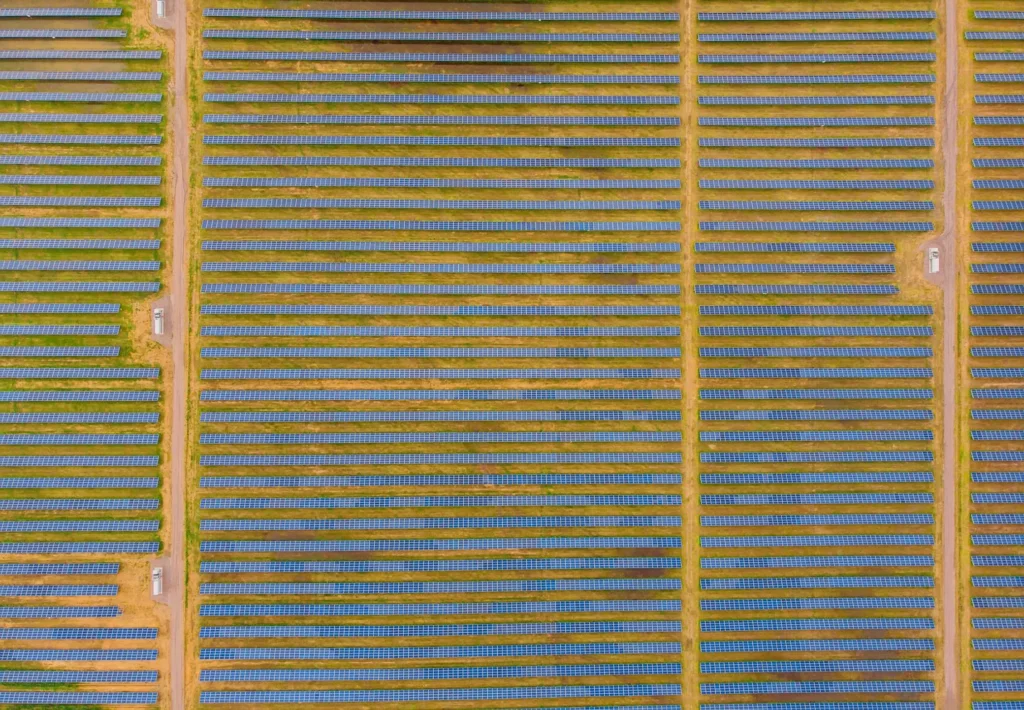
A solar plant is a large facility that contains thousands – sometimes even millions – of solar panels all working together. Instead of powering just one home, a solar plant generates massive amounts of electricity to power entire neighborhoods, towns, or even cities.
Think of it this way: If one solar panel is a single brick, then a solar plant is like an entire factory made of millions of bricks. It’s a huge operation designed to produce electricity on a massive scale.
Solar plants cover enormous areas of land. Some span hundreds of acres – imagine several football fields covered completely with rows and rows of solar panels. These installations are carefully designed to capture as much sunlight as possible and convert it into huge amounts of electricity.
You’ll typically find solar plants in open areas like deserts, empty fields, or unused land where there’s plenty of space and lots of sunshine. Companies that provide electricity to entire communities (called utility companies) operate these solar plants. The electricity produced goes directly into the power grid – that’s the network of power lines that brings electricity to homes and businesses across large regions.
Key Differences Between Solar Panel and Solar Plant
Size and Scale
The most obvious difference is size. A solar panel is a single unit measuring just a few feet across. You can hold one, move it, and install it relatively easily. A solar plant, on the other hand, is a massive installation that can cover hundreds or even thousands of acres. You’d need a car just to drive across a large solar plant!
Power Output
One solar panel produces between 300 and 400 watts of electricity. That’s a small amount – enough for a few appliances or lights. A solar plant produces megawatts or even gigawatts of electricity. To put that in perspective, one megawatt can power about 750 to 1,000 homes. Large solar plants can produce enough electricity for hundreds of thousands of homes!
Cost
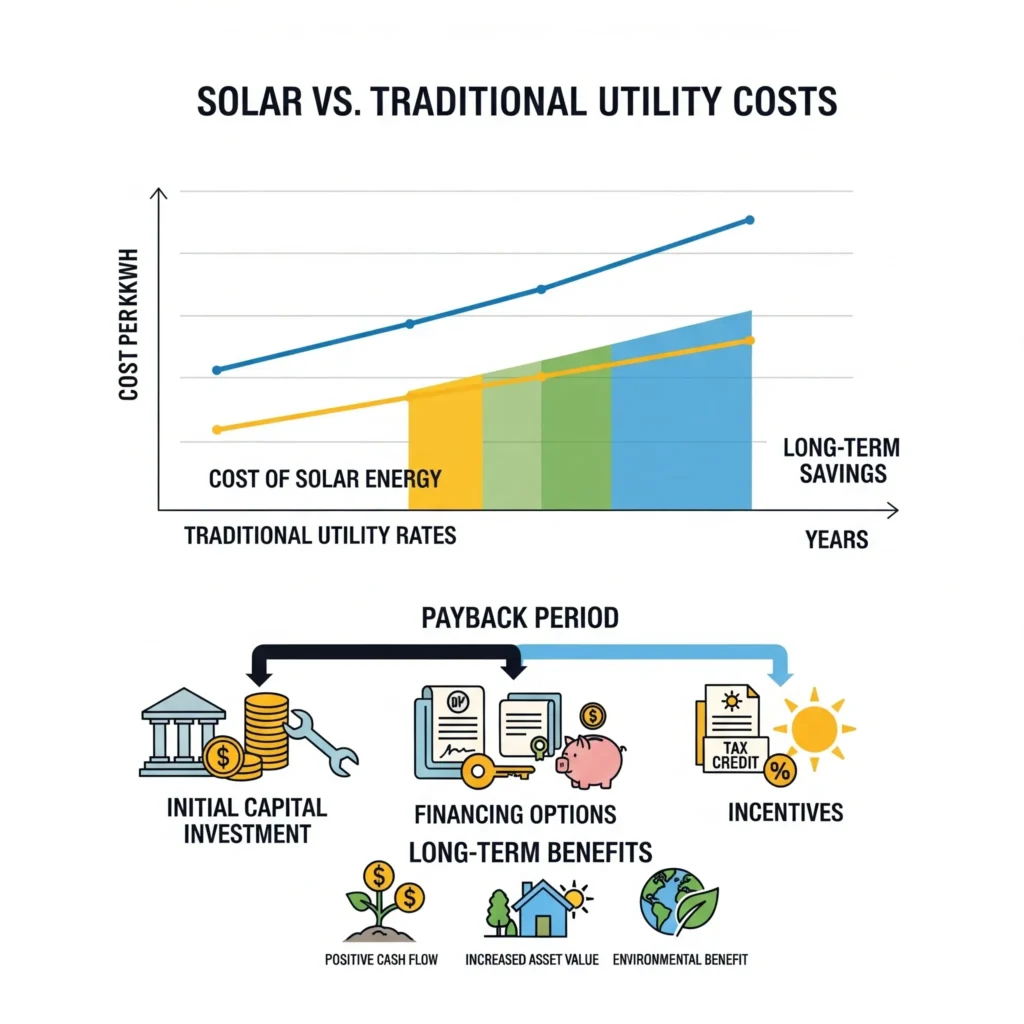
Buying a single solar panel costs between ₹10,000–₹22,000. That’s affordable for most homeowners when planning a rooftop solar system. A solar plant, however, requires a multi-million or even multi-billion dollar investment. Only large companies or governments can afford to build them.
Purpose and Users
Solar panels are designed for individual use. Homeowners install them to reduce their own electric bills. Small businesses use them to cut energy costs. You own the panels and use the electricity they produce for your own needs.
Solar plants serve a completely different purpose. They’re built by utility companies to generate electricity for the public. The power goes into the grid and gets distributed to thousands or millions of customers. You don’t own a solar plant – you buy electricity from one.
Installation and Maintenance
Installing solar panels on your roof is straightforward enough that some handy homeowners even do it themselves (though professional installation is recommended). Maintenance is simple – usually just cleaning the panels a few times a year and making sure nothing is blocking the sunlight.
A solar plant requires professional engineering teams, complex electrical systems, monitoring equipment, and full-time maintenance staff. It’s a sophisticated operation that needs expert management.
When Do You Need a Solar Panel?
If you’re a homeowner who wants to reduce monthly electricity bills, solar panels are perfect. You can install them on your roof, and they’ll generate power during the day to run your appliances, lights, and electronics. Any extra electricity can often be sold back to the power company.
Small businesses also benefit from solar panels. A restaurant, shop, or small office building can install enough panels to significantly cut energy costs.
If you have small-scale renewable energy goals – maybe you want to reduce your carbon footprint or become more energy independent – solar panels are your answer.
Here’s a practical example: A typical home in India usually needs around 8 to 15 solar panels to meet most of its electricity needs. This number comfortably fits on an average rooftop and typically costs ₹1.5 lakh to ₹5 lakh before government subsidies and incentives. After subsidies, the final cost can be significantly lower, making rooftop solar a cost-effective long-term investment for Indian households.
When Do You Need a Solar Plant?
Utility companies build solar plants when they want to add clean, renewable energy to their power supply. Instead of burning coal or natural gas, they can generate electricity from the sun using a solar plant.
When entire towns or cities want to transition to renewable energy, a solar plant is the solution. One large solar plant can replace a traditional power plant and supply clean electricity to hundreds of thousands of people.
Governments and large organizations invest in solar plants as part of their commitment to fighting climate change and reducing carbon emissions.
For example, the largest solar plants in the world can generate over 2,000 megawatts (MW) of electricity, which is enough to supply power to more than 15–20 lakh homes in India. This kind of large-scale solar generation plays a major role in strengthening the country’s power supply and reducing dependence on fossil fuels.
How They Work Together
Here’s something important to understand: Solar plants and solar panels aren’t competitors – they’re partners in creating clean energy.
A solar plant is actually made up of thousands or millions of individual solar panels. You can’t have a solar plant without solar panels. They’re connected in a specific way to maximize electricity production and feed all that power into the grid efficiently.
Think of it like this: Individual trees make up a forest. Individual solar panels make up a solar plant. One is the building block; the other is the complete system.
This relationship means improvements in solar panel technology benefit both homeowners and large solar plants. When panels become more efficient or affordable, everyone wins.
Benefits of Understanding the Difference
- First, you can make informed decisions about solar energy. If a solar installer talks to you about installing panels, you’ll know exactly what they mean and can ask the right questions.
- Second, when you read news articles about solar energy, you’ll understand whether they’re talking about home installations (panels) or utility-scale projects (plants).
- Third, you’ll know what’s right for your specific needs. Homeowners need panels. Utility companies need plants. It’s that simple.
Finally, understanding both helps you appreciate how solar energy works at every scale – from individual homes to entire cities. This knowledge makes you a more informed citizen when it comes to energy policy and environmental issues.
Conclusion
A solar panel is an individual unit perfect for homes and small businesses, while a solar plant is a massive facility that powers entire communities. Both are essential for our clean energy future.
Now you can confidently discuss solar energy and make informed decisions about your energy needs. Whether you’re considering solar panels for your home or simply want to understand renewable energy better, this knowledge empowers you.
Ready to take the next step? UCEngineer specializes in helping you navigate your solar journey with expert guidance and practical solutions. Whether you need advice on residential solar panels or want to learn more about large-scale solar projects, we’re here to help.