
Table of Contents
Introduction
A solar electrical system is a system that converts sunlight into usable electricity to power things like lights, fans, and appliances. By using a solar electric system, people can generate their own clean energy directly from their rooftops without having to depend entirely on the electricity from the power company. Because solar systems lower utility bills, lower pollution rates, and provide a more reliable power source, homeowners and business owners are opting for solar systems more than ever before. This blog post will explain to you the function of a solar electric system, what it consists of, and why the need for solar energy is growing in a cleaner and smarter future.
What Is a Solar Electrical System?
A solar electric system is a system that captures sunlight and converts it into usable electricity for your home or business. They consist of a few major components that work together:
- Solar panels – typically, these are mounted on the roof or in open areas and generate power from sunlight as the first step.
- Inverter – Converts the power generated from the panels (DC power) into the kind of power your home (AC power).
- Battery – Stores excess energy so have power at night or in cloudy periods when there is no sun.
- Controller – Manage how the power is flowing between the panels, battery and inverter to make sure everything is running safely.
Some solar electric systems are “grid-tied,” meaning they can send excess electricity to the utility company. Others are “off-grid” and operate independently, making them an ideal choice for isolated destinations where regular electricity is not available.
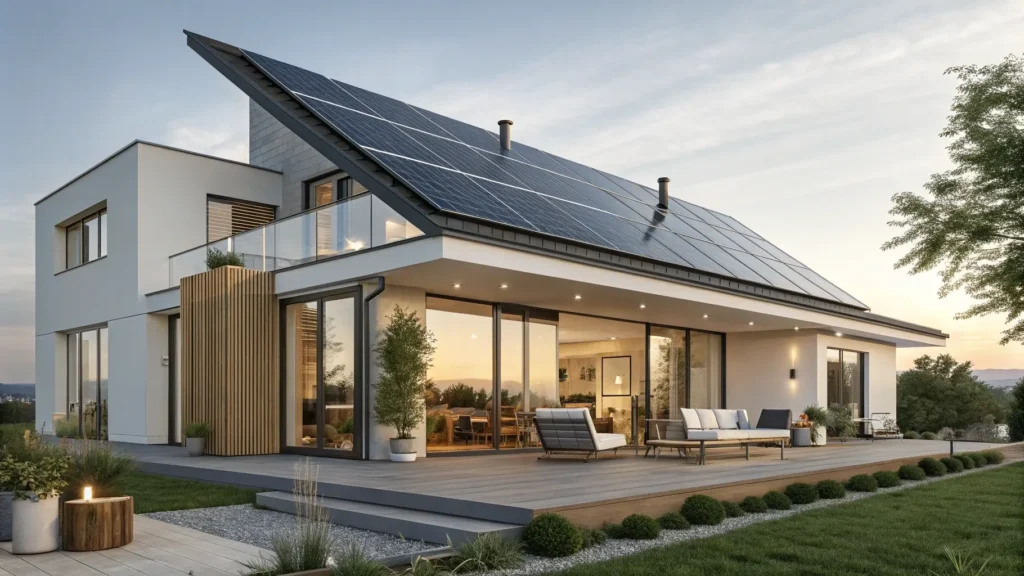
How Does a Solar Electrical System Work?
A solar electric system functions in a series of steps to turn sunlight into electricity for your home.
Step 1: Sunlight strikes the solar panels and creates a type of electricity called direct current (DC) power. This is the first type of electricity produced from sunlight.
Step 2: The inverter takes that DC power and converts it to alternating current (AC) power, which is the type of electricity safely used by your residential appliances, lights, and electronics.
Step 3: The battery stores any excess energy produced during the day. This excess energy can be used when the sun goes down and on cloudy days. (A battery is optional, but is very beneficial.)
Step 4: The electricity flows back into your house to power your electrical devices. When there’s excess electricity produced that is not needed for power, it will either go back to the grid or remain in the battery for later use.
This is an easy explanation for why the solar electric system is a smart, clean, and reliable source of power from the sun.
Types of Solar Electrical Systems
1. The grid-tied system
is connected to the main grid. With this system, solar can be used during the day, and when the sun goes down or your panels are not making enough energy, you will default back to normal utility service. If your system produces excess energy, that energy is pushed back to the grid and you may even be compensated by the utility for that extra energy.
2. Off-Grid System
An off-grid system is completely self-sufficient and not linked to any grid system. This is suitable for remote areas where normal electricity supply is not possible. It uses batteries to store energy so you are assured of having power at night or when it is cloudy.
3. Hybrid System
A hybrid system has both grid-tied and off-grid capabilities. In practice, it can store energy in batteries while also providing the ability to connect to the grid. Hybrid systems will give you more options, and allow you to use your own energy storage and supply when there are outages or interruptions in the grid.
Benefits of a Solar Electrical System
A solar electric system comes with tangible advantages that make sense for residential and commercial applications. Here are some of the key benefits:
- Reduces monthly energy bills – By producing your own electricity from sunlight, you will use less energy from the power company. Over time, this reduces your monthly energy expenses.
- Decreases pollution and promotes clean energy – Solar energy does not emit harmful byproducts, which contributes to cleaner air and environmental health.
- Increases homes value – Generally, homes with solar systems sell for higher values than homes without solar systems because buyers appreciate lower energy expenses and green features.
- Provides backup power during outages – If you have a battery connected to your solar system, then your lights and necessary appliances will run even when the power is out.
- Low maintenance – After your system is in place, solar panels require very little maintenance, typically requiring a wash once and a visit from your solar installer every one to two years.
Things to Know Before Installing a Solar Electrical System
Before designing a solar electric system, it is good to have a plan to ensure you receive the best return possible. Below is a short list of some things to think about:
- Assess your roof condition and solar access – Your roof should be structurally sound and have enough open area, with no obstructions, to receive direct sunlight throughout the day. The more direct sunlight your panels receive, the more electricity your system produces.
- Local laws and permits – Some municipalities require permits and permission before installing any solar panels. Be sure to check with your local regulations or contact your installer to confirm what is required for compliance.
- Size and cost comparisons – Solar systems come in many sizes, depending on how much energy you would like to forgo or use. It is wise to compare at least a few systems to feel comfortable with your choice; you want to fit your needs and budget.
- Installer trustworthiness – Rely on a reputable, licensed, and experienced installer. Potential customer reviews or a recommendation can help determine reliability.
Conclusion
Solar Electrical System are an intelligent, clean, and reliable energy solution for your home or business. They can convert free sunlight into usable electricity every day and you can save money, decrease pollution, and create more energy independence. With a properly designed solar power system, you can even reduce your electric costs and help the environment!
If you are interested in learning more about how solar can work for you, UC Engineer is ready to assist. We have a team of experts who will provide advice, installation, and complete solar solutions that align with your needs and your budget.