
Table of Contents
Summary
Introduction
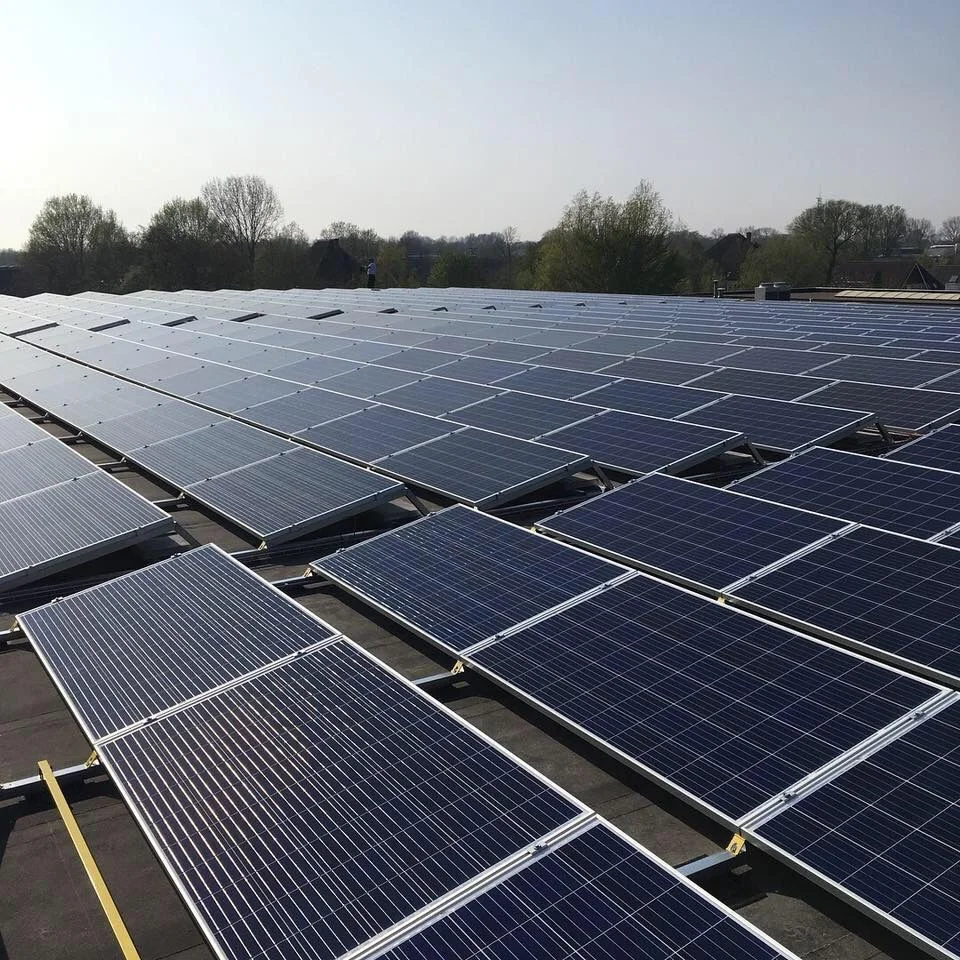
What Is EPC Solar? (And Why It Matters)
EPC stands for Engineering, Procurement, and Construction. In simple words, an EPC Solar company is a single contractor that takes care of your entire solar project, from start to finish. You do not have to run around finding a designer here, an equipment supplier there, and an installation crew somewhere else. One company does it all under one contract.
The “E” in EPC means the company designs your solar system, deciding how many panels you need, where they go, and how everything connects to the grid. The “P” means they source and purchase all the equipment, including solar panels, inverters, mounting structures, and wiring. The “C” means they physically install and commission the entire system, handle all permits, and make sure your solar plant is running properly before they hand it over to you.
You deal with just one company. One contract. One point of contact. That is the core idea behind EPC Solar, and it is why this model has become so popular across India, from small rooftop systems for homes and businesses to large commercial plants of 100 kW to several megawatts. With India’s solar capacity crossing 80 GW of installed solar in 2024, the EPC approach has become the most preferred way to build solar plants, especially for medium to large projects.
What Is Traditional Solar Installation?
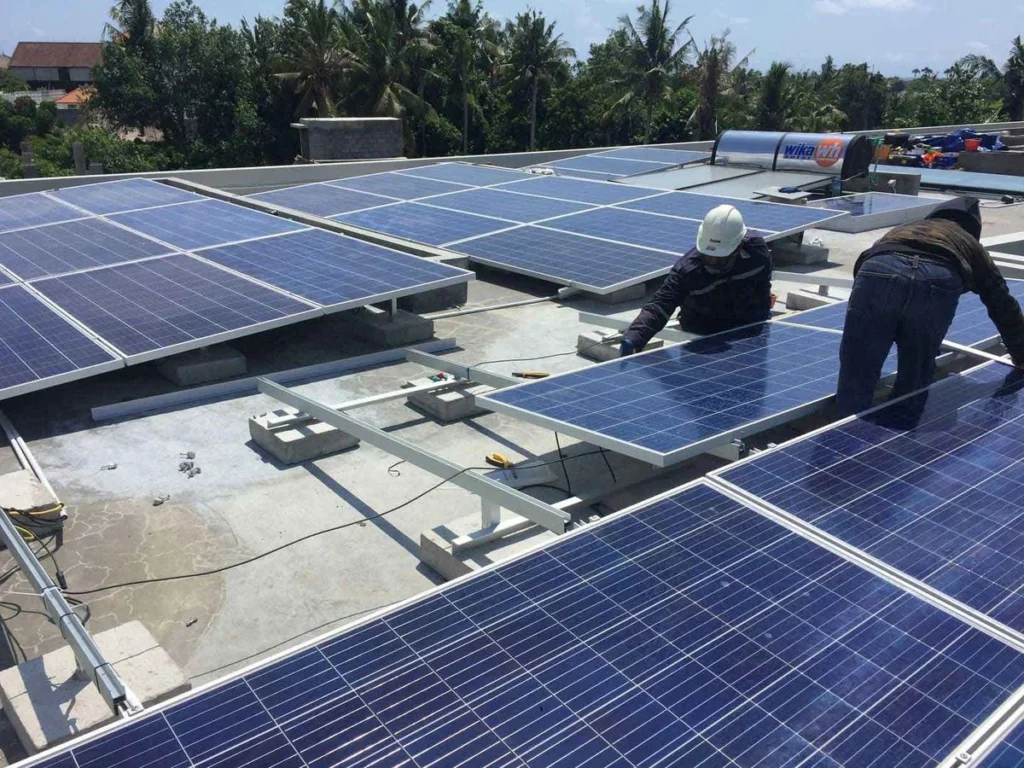
In traditional solar installation, there is no single company managing everything. Instead, you, or a general contractor working for you, coordinate with multiple vendors separately at every stage of the project. This means finding a solar designer to plan the system, a separate equipment supplier to procure panels and inverters, a separate installation team to do the physical work, and someone to handle government paperwork, permits, and DISCOM or grid connections.
In some cases, a homeowner or business owner manages all of this themselves. In other cases, a local contractor brings together different vendors but is not fully responsible for the overall outcome. Each vendor does their part and moves on — leaving you to deal with any gaps or problems that come up in between.
It is worth being honest here: traditional installation still works for small, simple projects like a 1–2 kW rooftop system for a single home. But as project size grows, coordinating multiple vendors becomes significantly more complex, time-consuming, and risky — both financially and technically.
EPC Solar vs. Traditional Solar — Side-by-Side Comparison
| Factor | EPC Solar | Traditional Installation |
|---|---|---|
| Project Management | One company handles all | You coordinate multiple vendors |
| Timeline | Faster, streamlined process | Can vary; often slower |
| Cost Transparency | Fixed-price contracts common | Multiple quotes; hidden costs possible |
| Accountability | Single point of contact | Shared across many vendors |
| Risk Management | Contractor absorbs most risk | Risk falls on the project owner |
| Best For | Medium to large solar projects | Very small, simple installs |
Pros and Cons of Each Approach
When you work with an EPC Solar company, the biggest advantage is peace of mind. One contract covers engineering, equipment, and installation together. The project moves faster because one internal team coordinates everything without waiting on external parties. Warranties often cover the full system rather than individual components, which protects you better in the long run. Fixed pricing also means you know what you are paying upfront — there are no surprise bills from three different vendors at the end.
The main downside of EPC Solar is that the upfront cost can be slightly higher compared to piecing together vendors on your own. You also have less flexibility to handpick every individual equipment brand, since the EPC company typically works with their preferred suppliers.
Traditional installation, on the other hand, gives you more control. You can choose your own panel brand, your own inverter, and your own installer. For very small residential systems in the 1–3 kW range, this approach can also be slightly more affordable. However, the trade-offs are significant. The entire coordination burden falls on you, which takes time, effort, and a fair amount of technical knowledge.
Miscommunication between vendors is common, delays happen more often, and no single party is fully accountable if something goes wrong. Warranty gaps are also a real problem, the panel manufacturer, inverter brand, and installer may all point fingers at each other when an issue comes up, leaving you stuck in the middle.
To put it simply: for a 500 kW commercial rooftop solar project, working without an EPC contractor is like building a house by hiring your own architect, plumber, electrician, and carpenter separately, and managing all of them yourself. For a single-home 2 kW system, it might be manageable. But at scale, it becomes very difficult very quickly.
Which One Is Right for Your Project?
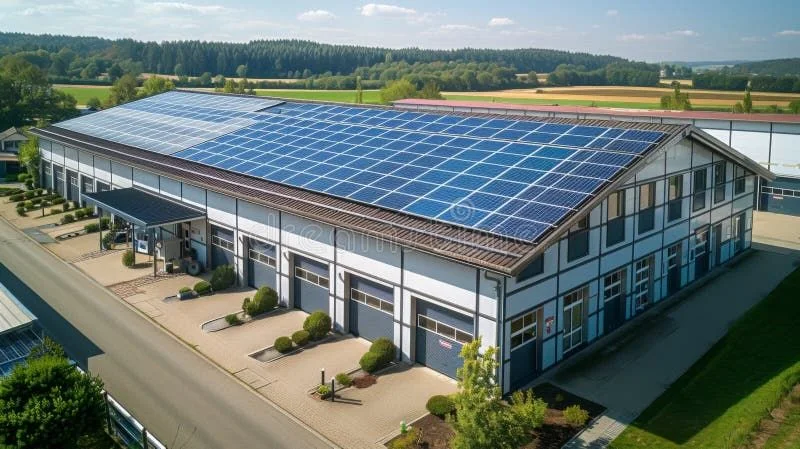
Choosing between EPC Solar and traditional installation comes down to the size, complexity, and timeline of your project, and how much of the management burden you are willing to carry yourself.
If your solar project is larger than 10 kW, for a factory, school, hospital, commercial building, or large home, EPC Solar is almost always the stronger choice. At that scale, having one accountable contractor managing every stage of the project saves significant time and reduces risk. If cost certainty matters to you, EPC contracts offer fixed pricing that protects you from unexpected increases during the project. And if you have a specific deadline to meet, EPC timelines are clearly committed in the contract, whereas traditional installation timelines can slip when vendors go out of sync with each other.
For very small residential projects under 5 kW where you have the time and knowledge to manage vendors yourself, traditional installation can still be a reasonable option. But for anyone who wants a smooth, professional, and accountable solar project, especially businesses and industries, EPC Solar is the smarter, safer route. Always consult a licensed solar professional before making your final decision, as every project has unique requirements.
Conclusion
Both EPC Solar and traditional solar installation can lead to a working solar system, but the experience, risk, and final outcome can be very different depending on the path you choose. EPC Solar gives you one accountable partner who manages everything from design to commissioning, saving you time, money, and stress. Traditional installation may work for very small projects, but at any real scale, the coordination burden quickly becomes overwhelming.
For most homeowners, businesses, and industries in India, EPC Solar is simply the smarter, safer choice.
Ready to make the switch? UCEngineer brings you end-to-end EPC Solar solutions backed by certified expertise and proven results. Contact us today for a free consultation and take the first step toward a cleaner, more affordable future.